Low-cost camping can make a campervan trip more affordable, but a cheap night is only useful if your vehicle is allowed, the site is open and you have the facilities you need. Rules differ between councils, states, parks and individual campsites. Check the official information for each stop before relying on it.
A sensible plan mixes affordable places to sleep with enough time for showers, water, laundry and waste disposal. That can be more comfortable than choosing the lowest listed price every night.
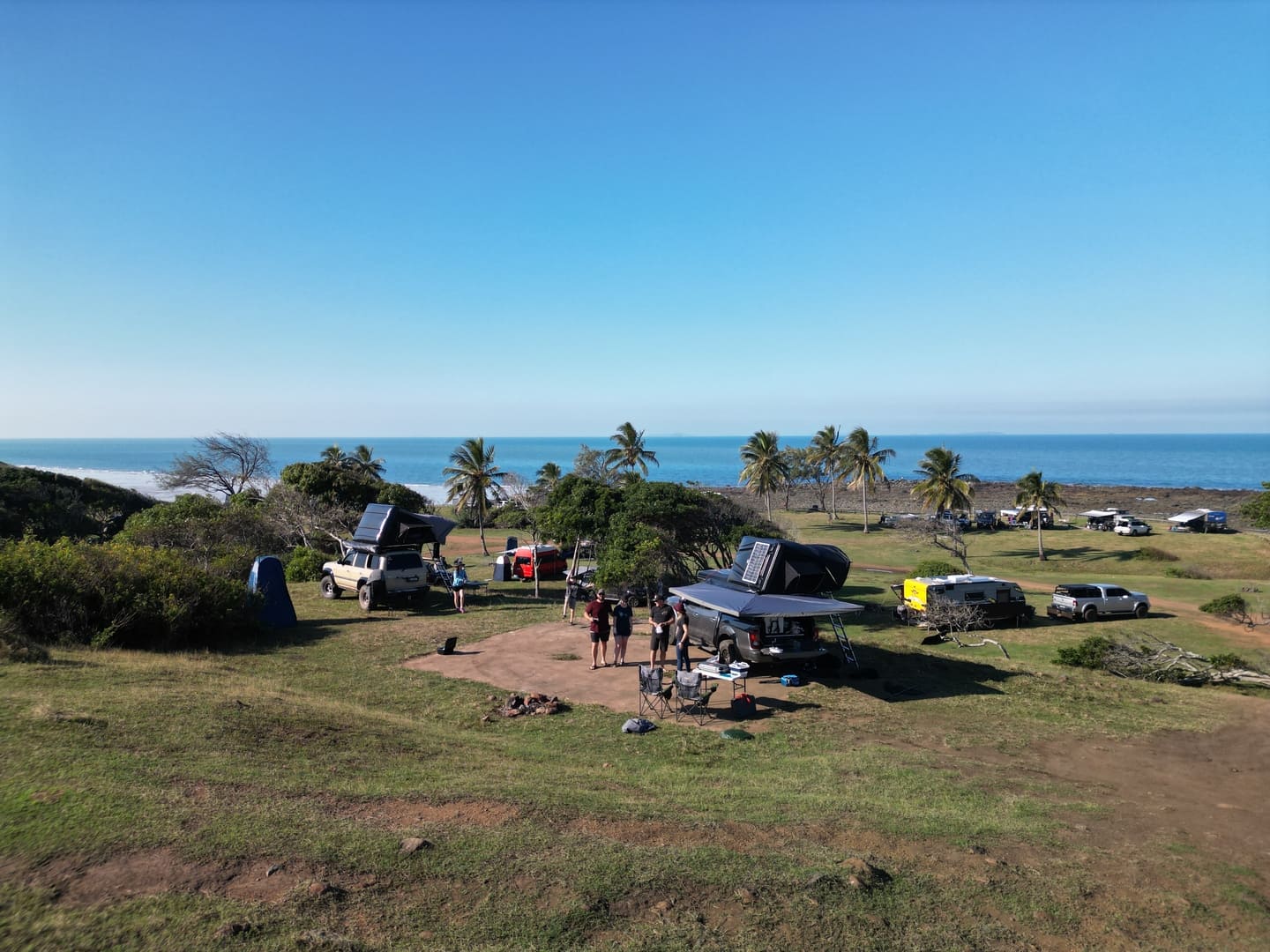
Find a legal place to stay
Look at national park agencies, local councils, visitor information centres and campground operators for current rules. Before choosing a stop, check:
- Whether overnight stays are permitted and your vehicle type is accepted.
- Maximum stay limits, reservations and any separate park-entry fee.
- Access roads, current closures and the facilities available.
A rest area, lookout or beach car park is not automatically a campsite.
Check access roads as well as the site itself. A low-cost campground is not useful if the approach road is closed or prohibited by your rental agreement. Weather can change conditions quickly, so verify the route near departure and have a suitable alternative.
What are you paying for?
A national park may have a separate entry pass and camping charge. Caravan parks can charge differently for powered and unpowered sites, and some list fees by people or vehicle. Check the current price, booking conditions and arrival hours for the specific place rather than relying on an old listing.
Think about the services included. A powered site, shower or laundry can be worthwhile at intervals, even if a basic site is cheaper. Work out what your camper actually supports and what your group needs before deciding how many nights to spend away from facilities.
Water, food and waste
Carry adequate drinking water for the people and conditions on your route, and check whether campsite water is potable. Plan where you can restock food and fuel, particularly when travelling between remote towns. A reusable container and a simple meal plan can help reduce unnecessary shopping stops.
Use toilets and designated disposal facilities as instructed. Take rubbish with you when bins are not available, leave the site clean and follow any local restrictions on washing or waste water. Do not assume your vehicle is self-contained; verify its equipment and the campground’s requirements.
Check conditions before you leave
Fire bans and restrictions can change with heat, wind or season. Check the current rules before using a stove or fire, and never collect firewood where it is prohibited. Heavy rain, flooding or bushfire risk may close roads and campgrounds at short notice.
In popular periods, advance bookings may be necessary even at simple sites. Keep a backup option and avoid arriving late in an unfamiliar area with no confirmed place to stay. Budget some flexibility for a paid alternative when conditions change.
Make the most of your camping budget
Compare campsites along the route rather than driving a long detour solely to save a small fee. The additional fuel and time may cost more than the saving. Staying several nights in one area can reduce driving and allow more time for walks and local attractions.
Include camping fees, park passes and your vehicle’s total rental quote when comparing cheap campervan hire in Australia. The goal is a trip you can afford and enjoy, with a legal and suitable stop at the end of each day.
Ready to compare a trip? Search campervans to check availability and compare your options.